

AIS vs. GIS vs. Solid-Insulated RMU: How to Choose Medium-Voltage Switchgear
Three common approaches to medium-voltage distribution
Medium-voltage switchgear protects, isolates and controls electrical circuits, but the best insulation technology depends on the site. Air-insulated switchgear (AIS), gas-insulated switchgear (GIS) and solid-insulated ring main units (RMUs) each offer different advantages in footprint, environmental resistance, maintenance and lifecycle cost.
A useful comparison begins with the network duty, not with a preferred product name.
Air-insulated switchgear (AIS)
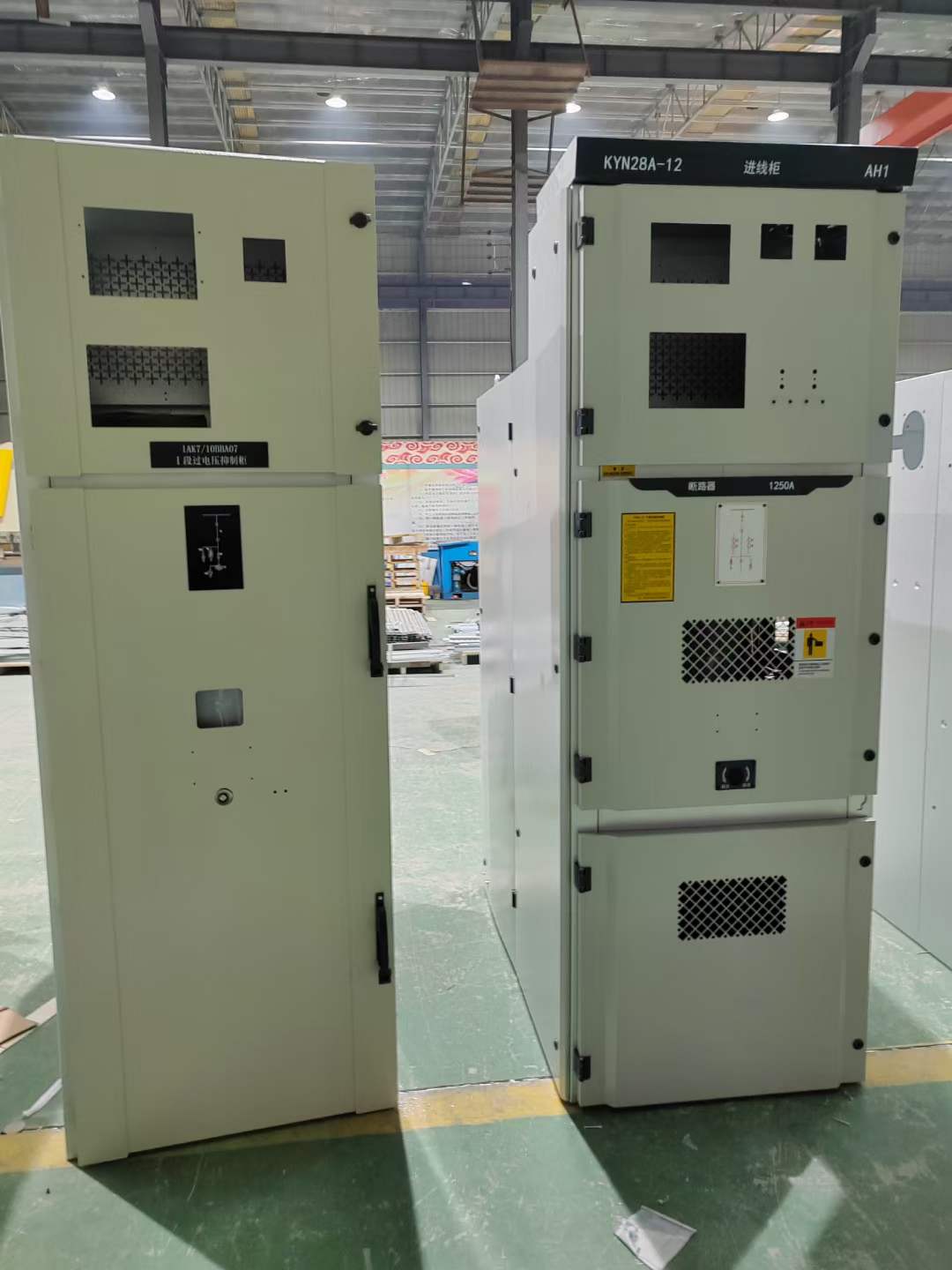
AIS uses air as the main insulation medium. It is widely applied in utility and industrial substations because its primary components are comparatively accessible for inspection and maintenance. AIS can offer a competitive initial cost and familiar operating practices, but it normally requires more space. Performance can also be more sensitive to dust, humidity, salt and contamination if the installation environment is not adequately controlled.
Gas-insulated switchgear (GIS)
GIS encloses energized parts in sealed compartments using an insulating gas system. Its compact footprint and protection from the external environment make it attractive for urban substations, tunnels, renewable-energy installations and sites with severe pollution or limited space. Purchasers should evaluate the insulating medium, leakage monitoring, end-of-life handling, maintenance capability and local environmental rules, rather than assuming that all GIS designs have the same lifecycle profile.
Solid-insulated RMU
A solid-insulated RMU embeds or encloses primary conductive parts in solid insulating material. It can provide compact construction without relying on a conventional gas-insulation system. The technology is well suited to secondary distribution where space, environmental sealing and low routine maintenance are important. Cable interfaces, partial-discharge performance, replaceability of components and manufacturer-specific service procedures should be reviewed.
How to compare the options
Start with rated voltage, continuous current, short-time withstand current, peak withstand current, internal-arc classification where required, protection functions and number of ways. Then compare available room dimensions, cable access, extension requirements, altitude, temperature, humidity, pollution, flooding risk and operator safety.
Lifecycle evaluation should include civil works, installation, commissioning, routine inspection, spare parts, outage time, training and eventual decommissioning. A compact product with a higher purchase price may reduce building costs, while an accessible AIS lineup may be preferable where space is available and maintenance teams value visible isolation and component access.
Application-based guidance
AIS is often a strong choice for conventional indoor substations with sufficient space and established maintenance resources. GIS is often considered when footprint and environmental sealing dominate the decision. Solid-insulated RMUs can suit compact secondary-distribution networks seeking sealed primary circuits and reduced dependence on gas-insulation systems. These are general tendencies; the network study and project specification should determine the final selection.
Data required for an accurate proposal
Provide the single-line diagram, system voltage and frequency, busbar rating, feeder ratings, fault level and duration, protection and metering scheme, cable sizes, indoor or outdoor location, internal-arc requirement, automation interface, enclosure protection, dimensions, standards and test requirements.
Electric Valley offers primary and secondary medium-voltage switchgear and RMU solutions. With complete project data, Baoding Weifan Electrical Technology Co., Ltd. can help compare practical configurations for the required network duty and installation environment.
 How to Select a Neutral Ground
 AIS vs. GIS vs. Solid-Insulate
 Distribution Transformer Buyin
 How Current-Limiting Reactors